Our team exists to define and implement AI that is trustworthy in theory and in practice for all AI users by developing new frameworks to design, test, and deploy AI in real world scenarios.
Our Vision
We envision a future where AI is trustworthy, and therefore trusted, to solve problems that people care about.
The Trustworthy AI Grand Challengeat UNM brings together researchers from Engineering, Arts & Sciences, Law, and Libraries and Learning Sciencesto build AI systems that are both provably trustworthy—through formal methods—and practically trustworthyfor developers, deployers, and everyday users.
This interdisciplinary initiative is shaping a research program that combines mathematical rigorwith real-world usability, creating tools and processes that help practitioners assess, evaluate, and continuously improve AI trustworthiness, especially in resource-limited environmentswhere AI is increasingly deployed.
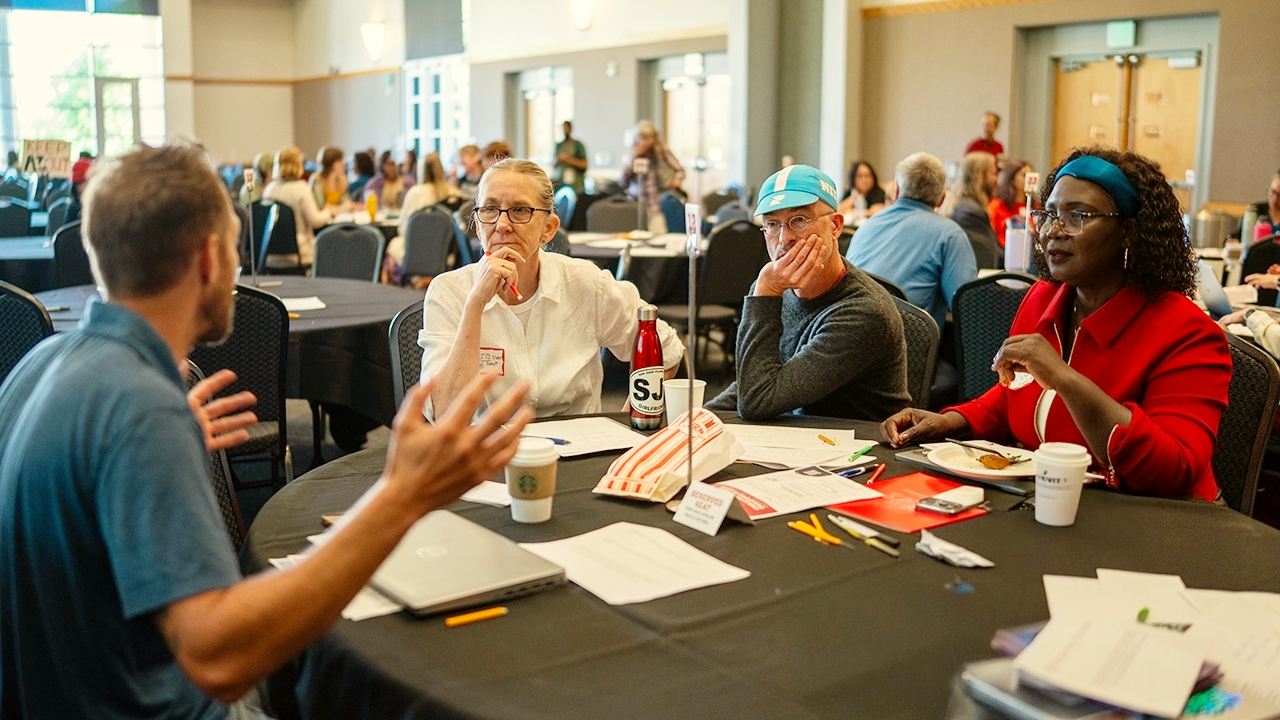
The University of New Mexico community came together recently to discuss a topic that has rapidly become omnipresent in today’s world — artificial intelligence.
The UNM AI Conversation Kickoff event on Sept. 3 brought together a wide mix of faculty, staff and students throughout the day to explore topics through presentations, group activities and panel discussions.
Among the topics discussed were teaching, learning and student success; research, scholarship and creative work; admini…
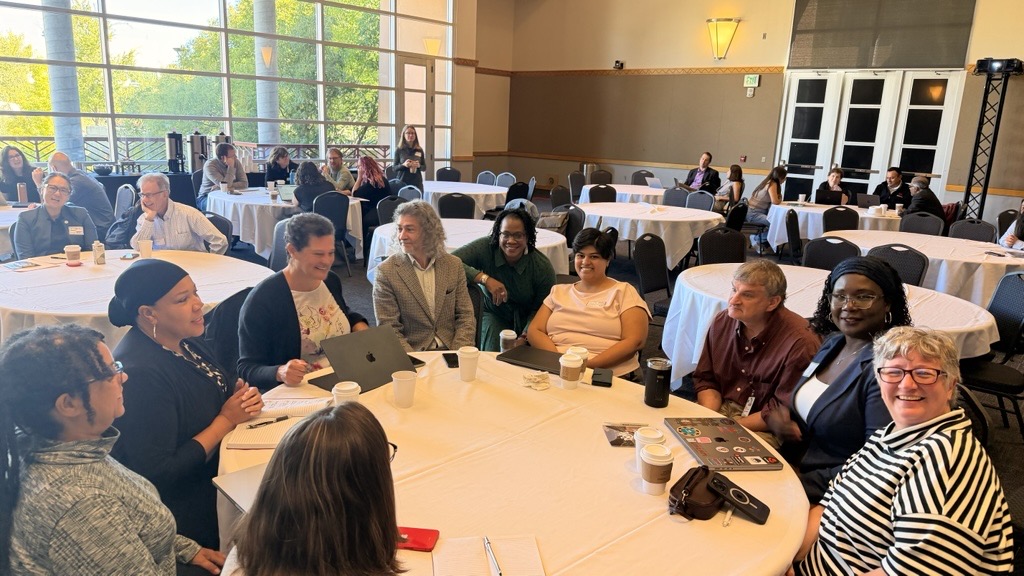
Last week, we celebrated UNM Grand Challenges Day and welcomed the newest Level 2 teams: Biodiversity Nexus and Trustworthy AI. The event opened with remarks from President Steve Goldstein who highlighted the collaborative spirit driving the Grand Challenges initiative.
Team conveners shared updates on their work, while a UNM student also offered a powerful reflection on the impact of participating in the Grand Challenges program.
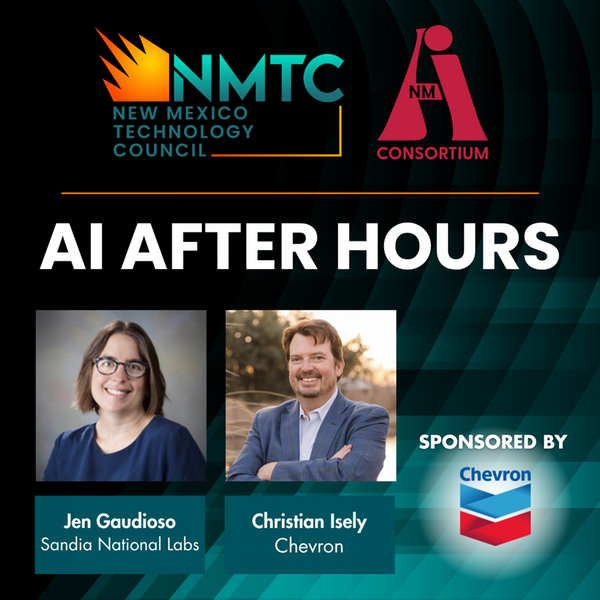
The NMTC AI Peer Group is back — and we’re kicking things off with AIAfterHours!
In partnership with the New Mexico AI Consortium and sponsored by Chevron, we’re bringing New Mexico’s AI community back together for a new chapter of connection, collaboration, and conversation, starting with this in person AI After Hours event.
Join us for the AI Peer Group kickoff mixer at Q Station, where we’ll reconnect members of the community, hear from a few feat…